

Taming Technology: Setting Limits on Screen Time | Improved Focus & Health | NoDietNeed
Setting limits on screen time is crucial for improved health, as excessive technology usage can negatively impact our well-being. In today’s digital age, where technology is pervasive, it is essential to establish boundaries to maintain a healthy balance between screen time and other activities.
By implementing these limits, we can mitigate the potential risks associated with excessive screen time, such as sedentary behavior, poor sleep quality, eye strain, and social isolation. Prioritizing physical activities, engaging in face-to-face interactions, and promoting a tech-free environment during meals and before bedtime are effective strategies to tame technology and foster a healthier lifestyle.
Let’s explore the importance of setting limits on screen time and the benefits it brings for our overall well-being.
The Digital Dilemma: Navigating Screen Time
The Surge Of Screen Time In Modern Life
Modern life has witnessed an unprecedented surge in screen time usage, with technological advancements permeating every aspect of daily life. The pervasive presence of screens, from smartphones to tablets and computers, has led to a significant increase in the amount of time individuals spend engaged with digital devices.
Health Implications Of Excessive Use
The ramifications of excessive screen time on health are becoming increasingly evident. Prolonged exposure to screens has been linked to a myriad of health issues, ranging from digital eye strain and disrupted sleep patterns to sedentary behavior and increased risk of obesity.
Screen Time And Physical Health
Excessive screen time can have a significant impact on physical health, leading to various issues that can affect overall well-being. It’s important to be aware of the potential health risks associated with prolonged exposure to screens and take steps to mitigate them.
Eye Strain And Vision Problems
Prolonged screen time can cause eye strain and vision problems due to the continuous focus on digital displays. This can lead to discomfort, dry eyes, and blurred vision, impacting overall eye health.
Sleep Disruptions And Insomnia
Excessive screen time, especially before bedtime, can disrupt sleep patterns and contribute to insomnia. The blue light emitted by screens can interfere with the body’s natural sleep-wake cycle, making it harder to fall asleep and obtain restful sleep.
Physical Inactivity And Obesity Risks
Extended periods of screen time often lead to physical inactivity, reducing opportunities for movement and exercise. This sedentary behavior can contribute to an increased risk of obesity and related health issues, as well as musculoskeletal problems.
Mental Health In The Age Of Screens
Technology has transformed the way we live, work, and communicate, but the excessive use of screens has raised concerns about its impact on mental health. The constant exposure to screens, whether through smartphones, computers, or tablets, has been linked to various mental health issues. It is crucial to understand the implications of screen time on mental well-being and take proactive steps to mitigate its negative effects.
Anxiety And Depression Links
Excessive screen time has been associated with increased levels of anxiety and depression. The constant scrolling through social media feeds and exposure to unrealistic standards portrayed online can lead to feelings of inadequacy and heightened anxiety. Additionally, the blue light emitted from screens can disrupt sleep patterns, further exacerbating mental health issues.
Social Media: The Double-edged Sword
Social media serves as a platform for connecting with others but can also contribute to a decline in mental well-being. Endless scrolling and comparing one’s life to carefully curated posts can lead to a negative self-image. It is essential to establish healthy boundaries and limit the time spent on social media to safeguard mental health.

Credit: www.barnesandnoble.com
Setting Boundaries: Strategies For Limiting Screen Time
Discover effective strategies to limit screen time and improve overall health by setting boundaries on technology use. Implement practical tips for reducing screen time to enhance physical and mental well-being. Take control of your digital habits for a healthier lifestyle.
Setting Boundaries: Strategies for Limiting Screen Time As technology continues to advance, it becomes increasingly challenging to limit screen time. However, excessive screen time is linked to a variety of health issues, including poor sleep quality, obesity, and decreased physical activity. It is essential to establish boundaries and limit screen time for improved health and well-being. In this article, we will discuss effective strategies for setting limits on screen time, including creating a family media plan and implementing tech-free zones and times.Creating A Family Media Plan
Creating a family media plan is an effective strategy for managing screen time. It involves establishing guidelines for the amount and type of media that family members can use. This plan can be adjusted based on the age of the family members, their interests, and their needs. A family media plan should include the following:- The amount of screen time allowed each day
- The types of media that are allowed
- The specific times of day when screen time is permitted
- The consequences for violating the media plan
Tech-free Zones And Times
Another effective strategy for limiting screen time is to establish tech-free zones and times. These are areas of your home or specific times of the day when screens are not allowed. For example, you may choose to ban screens from the dinner table or during family game night. You can also designate certain areas of your home, such as the bedroom, as tech-free zones to promote better sleep quality. By setting tech-free zones and times, you can encourage your family members to engage in other activities that promote physical activity, such as playing outside or reading a book. You can also create a more positive environment for communication and socialization, which can improve your family’s overall well-being. In conclusion, setting boundaries and limiting screen time is crucial for improved health and well-being. By creating a family media plan and establishing tech-free zones and times, you can help your family members develop healthy habits and reduce the negative impact of excessive screen time.Digital Detox: Reclaiming Your Time
Embark on a journey towards a digital detox to reclaim your time and prioritize your well-being.
Benefits Of Regular Breaks
- Improved focus and productivity
- Reduced eye strain and fatigue
- Enhanced creativity and problem-solving skills
Activities To Replace Screen Time
- Engage in outdoor activities
- Read a book or start a hobby
- Exercise or practice yoga

Credit: support.apple.com
Tools And Apps To Monitor And Limit Use
Discover essential tools and apps for monitoring and limiting screen time to promote better health. Take control of technology usage for improved well-being with these helpful solutions.
Parental Controls And Monitoring
Tools like Net Nanny and Qustodio help parents monitor and limit their children’s screen time. – Set time limits – Block inappropriate content – Monitor online activitySelf-regulation Apps
Encourage self-control with apps like Forest and StayFocusd to limit distractions and improve focus. – Track time spent on devices – Set reminders to take breaks – Gamify productivity with rewardsThe Role Of Schools And Educators
Schools and educators play a crucial role in taming technology by setting limits on screen time. By educating students on the dangers of excessive screen time and promoting healthy habits, they can improve the overall health and well-being of young people.
Incorporating Screen Time Education
Promoting Balanced Use In Learning
The role of schools and educators is significant in setting limits on screen time for students. With technology becoming an essential part of education, it is essential to educate students on the appropriate use of digital devices. Incorporating screen time education into the curriculum can help in promoting balanced use and ensuring students do not spend excessive amounts of time on screens. By educating students on the dangers of excessive screen time, schools can help students develop healthy habits and reduce the risk of health problems.Incorporating Screen Time Education
Schools can incorporate screen time education in various ways. Educators can teach students about the negative effects of excessive screen time on physical and mental health. They can discuss the importance of taking breaks and engaging in physical activity. Schools can also provide guidelines on the appropriate use of digital devices and encourage students to use them for educational purposes only. This can help students develop healthy habits and reduce the risk of addiction.Promoting Balanced Use In Learning
Promoting balanced use in learning involves providing students with opportunities to engage in activities that do not involve screens. Educators can encourage students to participate in physical activities, group discussions, and other non-screen activities. They can also provide alternative learning methods that do not require the use of digital devices. This can help students develop a better understanding of the importance of balancing screen time and non-screen time activities. In conclusion, schools and educators play a vital role in setting limits on screen time for students. By incorporating screen time education into the curriculum and promoting balanced use in learning, they can help students develop healthy habits and reduce the risk of health problems associated with excessive screen time.Looking Ahead: The Future Of Our Screen Time
Limiting screen time is crucial for overall well-being. Setting boundaries on technology usage can lead to improved health and balanced lifestyles. It’s essential to prioritize real-life interactions and activities to pave the way for a healthier future.
Looking Ahead: The Future of Our Screen Time The future of screen time is a topic that concerns many parents, educators, and health professionals. As technology continues to advance, so do our norms and behaviors around screen time. It’s important to consider how we can promote healthy digital communities while still enjoying the benefits of technology. In this section, we’ll explore two key areas of focus for the future of screen time: evolving norms and behaviors and promoting healthy digital communities.Evolving Norms And Behaviors
As technology continues to evolve, so do our norms and behaviors around screen time. In the past, it was common for children to spend hours in front of the television. Today, children are more likely to be using smartphones, tablets, or other digital devices. This shift in technology has led to a shift in our behaviors and expectations around screen time. One way to encourage healthy screen time habits is to establish clear rules and boundaries around device use. This could include setting limits on the amount of time spent on devices, as well as encouraging activities that don’t involve screens. By establishing these norms and behaviors early on, we can help children develop healthy relationships with technology that will serve them well into the future.Promoting Healthy Digital Communities
Another important area of focus for the future of screen time is promoting healthy digital communities. This means creating online spaces that are safe, inclusive, and respectful. One way to do this is by encouraging positive online behaviors, such as treating others with kindness and respect, and avoiding cyberbullying and other negative behaviors. In addition to promoting positive behaviors online, it’s also important to provide resources and support for those who may be struggling with the negative effects of screen time. This could include resources for parents and caregivers, as well as tools and resources for individuals who may be struggling with addiction or other issues related to screen time. In conclusion, as technology continues to evolve, it’s important to consider how we can promote healthy screen time habits and create positive digital communities. By establishing clear rules and boundaries, promoting positive online behaviors, and providing resources and support for those who may be struggling, we can help ensure that technology continues to be a positive force in our lives.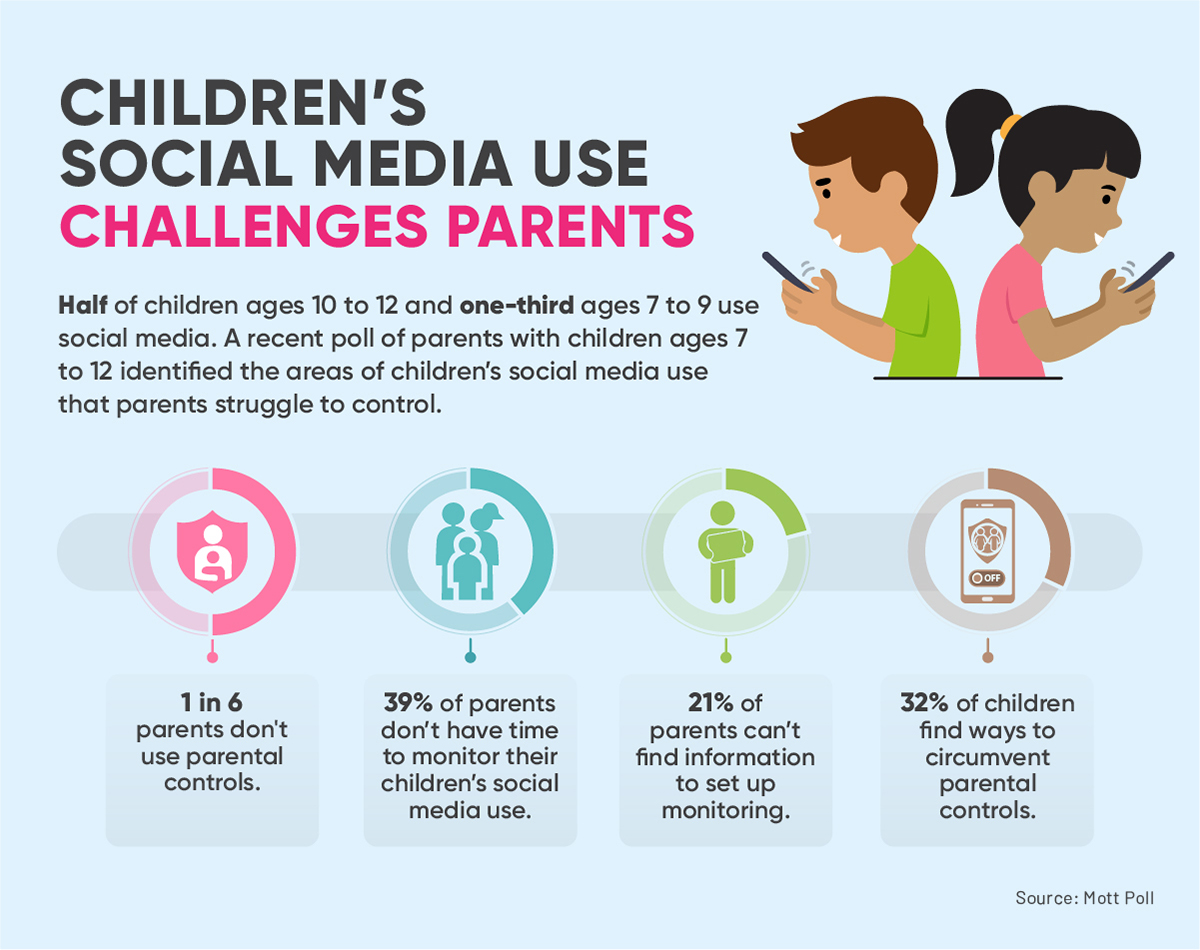
Credit: online.maryville.edu
Frequently Asked Questions
How Does Excessive Screen Time Impact Mental Health?
Excessive screen time can lead to increased stress, anxiety, and depression. It can disrupt sleep patterns and hinder social interactions, impacting overall mental well-being negatively.
What Are The Recommended Daily Screen Time Limits For Children?
For children aged 2-5, limit screen time to 1 hour a day of high-quality programming. For older children, aim for consistent breaks and a maximum of 2 hours daily.
Can Reducing Screen Time Improve Physical Health?
Reducing screen time can improve physical health by encouraging more physical activity and reducing sedentary behavior. It can also alleviate issues like eye strain and posture problems.
Conclusion
By setting limits on screen time, we can ensure improved health for ourselves and our loved ones. It is crucial to strike a balance between the benefits and drawbacks of technology. By being mindful of our screen usage, we can prioritize physical activity, social interactions, and mental well-being.
Remember, moderation is key. Let’s embrace technology while also safeguarding our health and overall well-being.


